



Gia Binh builds its cargo strategy around Northern Vietnam’s industry
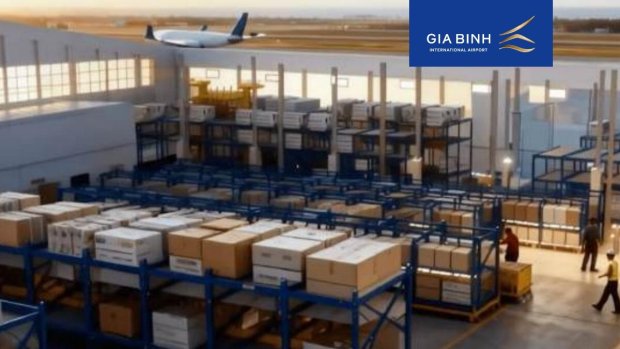 Credit: Masterise Aviation Infrastructure
Air cargo is a pillar of GBIA’s development model, linking the airport with a proposed free trade zone and one of Asia’s key electronics corridors.
Gia Binh International Airport (GBIA) is building its cargo strategy around the manufacturing corridor of Bac Ninh, Bac Giang and Hai Phong, home to electronics, semiconductor components and other high-value exports. Industries in the corridor generated around US$150 billion of electronics exports in 2025.
Speaking to Routes, Denis Bugrov, Deputy CEO of Masterise Aviation Infrastructure, said air cargo is a pillar of the development model rather than a supporting function, and that the region’s constraint is infrastructure capacity, not market demand.
The plan
- Capacity: 1.6 million tonnes a year by 2030, rising to 2.5 million tonnes by 2050.
- Proposed free trade zone: around 5,000 hectares in Bac Ninh province, with the airport as its aviation component; further central-government approvals are still required.
- Facilities: an automated cargo terminal, consolidation and distribution facilities, an inland container depot, and road and rail links to Hanoi, Hai Phong seaport and northern border crossings.
Partners
GBIA has held discussions with more than 30 airlines and around 40 express and logistics companies, and has signed memoranda of understanding with an international cargo-terminal operator and an integrated logistics company. It is looking for freighter operators, express and integrated logistics groups, and passenger airlines with belly capacity, which can also strengthen the economics of new long-haul routes.
Read the full article on Aviation Week / Routes.