



Viracopos gears up for the rapid rise of e-commerce in Brazil
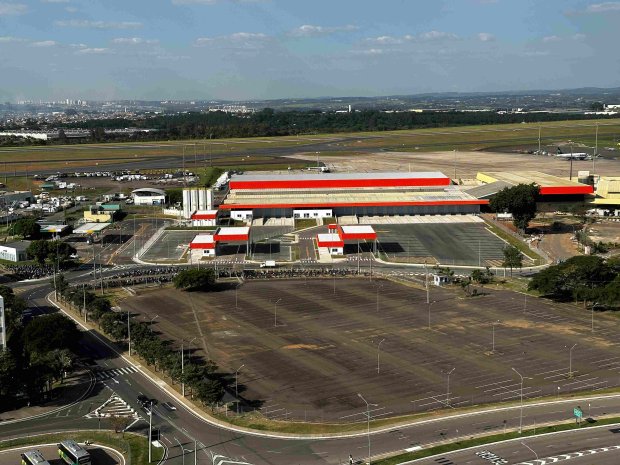
The new infrastructure has changed how parcels move through Viracopos
Viracopos International Airport is expanding its position in Brazil’s fast-growing e-commerce market. The country recorded cumulative growth of 32.5% from 2021 through the first half of 2026 in imports of express shipments originating from e-commerce. This demand saw a significant resurgence in growth following the elimination, effective May 2026, of federal taxes that had been applied since late 2024 to imported express shipments under the threshold of US$50.
Behind those headline figures is a significant change in the type and pace of cargo moving through the airport. According to Maria Fan, Commercial Director of Viracopos International Airport, growing demand for international online shopping is reshaping both its infrastructure and airline connectivity. “In June and July of this year, we already saw a 100 percent jump in volume compared to previous months, leading to the arrival of new dedicated cargo flights, both scheduled, like CMA CGM, and chartered,” Fan explained.
She attributed the wider growth in Brazilian e-commerce imports to consumers’ continued demand for accessible international marketplaces, alongside changes to the clearance process for small parcels under the Brazilian Federal Revenue Service’s Remessa Conforme programme. Viracopos was preparing for this shift before the latest surge materialised. In 2025, it established approximately 20,000 sq m of logistics warehouse space dedicated to customs clearance for cross-border shipments and signed contracts with operators connected to major global marketplaces.
The new infrastructure has changed how parcels move through Viracopos. Warehouses with direct airside access have been released to logistics operators, while the airport itself operates a shared workspace. Dedicated e-commerce flows are now separated from formal cargo, helping to protect the wider terminal operation from congestion as parcel numbers rise.
“E-commerce shipments are now completely segregated from formal cargo, avoiding operational bottlenecks and streamlining operations,” Fan said.
Operating 24 hours a day, seven days a week, the facilities were designed around the rapid-clearance requirements of Remessa Conforme. Parcels can be transferred directly from the aircraft apron to warehouse sorting lines. Once customs procedures have been completed, they move to logistics operators’ distribution centres for last-mile delivery.
The infrastructure does not remove every pressure point. Fan acknowledged that Singles’ Day, Black Friday and the period before Chinese New Year can cause sharp seasonal increases, temporarily overloading customs inspection lines. Parcels requiring sanitary, phytosanitary or other specialist inspections can also take longer because of additional documentation and physical checks.
Viracopos is working with the Federal Revenue Service and other agencies to manage those flows. One measure is the advance submission of cargo manifests, with operators sending data to customs before a flight arrives. This enables shipments to be directed to the appropriate inspection channels immediately after landing.
The airport plans to expand the warehouses at the Viracopos Logistics Center, allowing more e-commerce operators to establish their own areas within the complex. Fan also said airline partnerships were in place to expand connections between Asia and Viracopos, although the carriers and proposed routes were not disclosed. Viracopos currently handles approximately one-third of all cargo imported into Brazil by air, according to the airport. Its location near São Paulo’s industrial and technology centres gives it access to the Southeast region, which Fan said accounts for around 60 percent of domestic demand.
“Viracopos also has the advantage of being able to conduct international transshipment operations,” she said. “This allows airlines to unload e-commerce cargo from Asia or Europe in Campinas for subsequent deconsolidation, consolidation, and redistribution to other Latin American countries, strengthening Viracopos’ position as a continental mega-hub, Fan said.