



Viracopos Airport Demonstrates Efficiency and Versatility in Formula 1 Logistics Operations
 Credit: Isabella Assis/Viracopos Airport
The arrival of the equipment marked the beginning of the 25th consecutive Formula 1 logistics operation handled by Viracopos, which has managed the event's inbound and outbound cargo movements in Brazil for 25 consecutive editions.
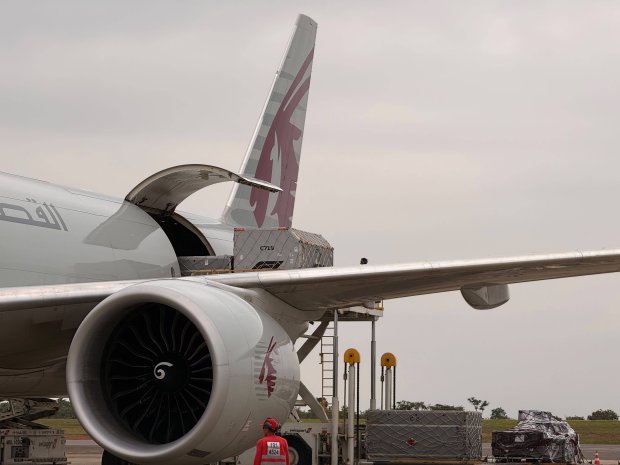
Viracopos International Airport, located in São Paulo State, once again demonstrated its efficiency and operational versatility by serving as the gateway for the import of equipment and race cars for the Formula 1 MSC Cruises São Paulo Grand Prix 2026, held from November 6 to 8 in São Paulo.
Approximately 800 tonnes of cargo arrived aboard nine Boeing freighter aircraft during the week leading up to the Brazilian Grand Prix.
The Brazilian round, the 20th race of the 2026 FIA Formula One World Championship, took place at the historic Interlagos Circuit on November 6, 7 and 8. The arrival of the equipment marked the beginning of the 25th consecutive Formula 1 logistics operation handled by Viracopos, which has managed the event's inbound and outbound cargo movements in Brazil for 25 consecutive editions.
Following the race, all equipment and vehicles were also exported through Viracopos. A total of nine cargo flights departed from the airport bound for the United States, transporting the teams' equipment to the next stage of the championship.
To ensure a smooth and efficient operation, Viracopos implemented a dedicated logistics plan. The effort involved approximately 100 professionals from various organizations, including government agencies, freight forwarders, airlines, transportation providers and specialized logistics companies.
Cargo Terminal
The Viracopos Cargo Terminal is one of the largest and busiest air cargo facilities in Brazil and the country's leading gateway for imported air freight. Supported by a modern infrastructure for cargo handling, storage and customs clearance, the terminal processes approximately one-third of all air-imported cargo entering Brazil, making it a strategic hub for international trade and supply chain operations in Latin America's largest economy.