



The visual evolution of Nha Trang: From classic postcards to a modern destination
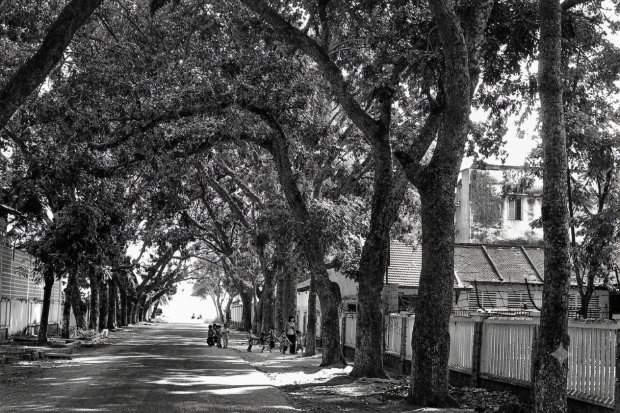
Witnessing decades of coastal transformation, Cam Ranh International Terminal (CRTC) seamlessly connects global travelers to a destination that beautifully bridges historical charm and contemporary vibrancy.
In the early 20th century, a journey to Nha Trang was typically commemorated through printed postcards, establishing landmarks like the Ponagar Tower (Thap Ba) and Cau Bong as the city's earliest visual ambassadors. As tourism developed into the 1980s, black-and-white souvenir photography thrived along Tran Phu street, making spots like Hai Yen Hotel and the Bon Mua area essential backdrops for visitors.
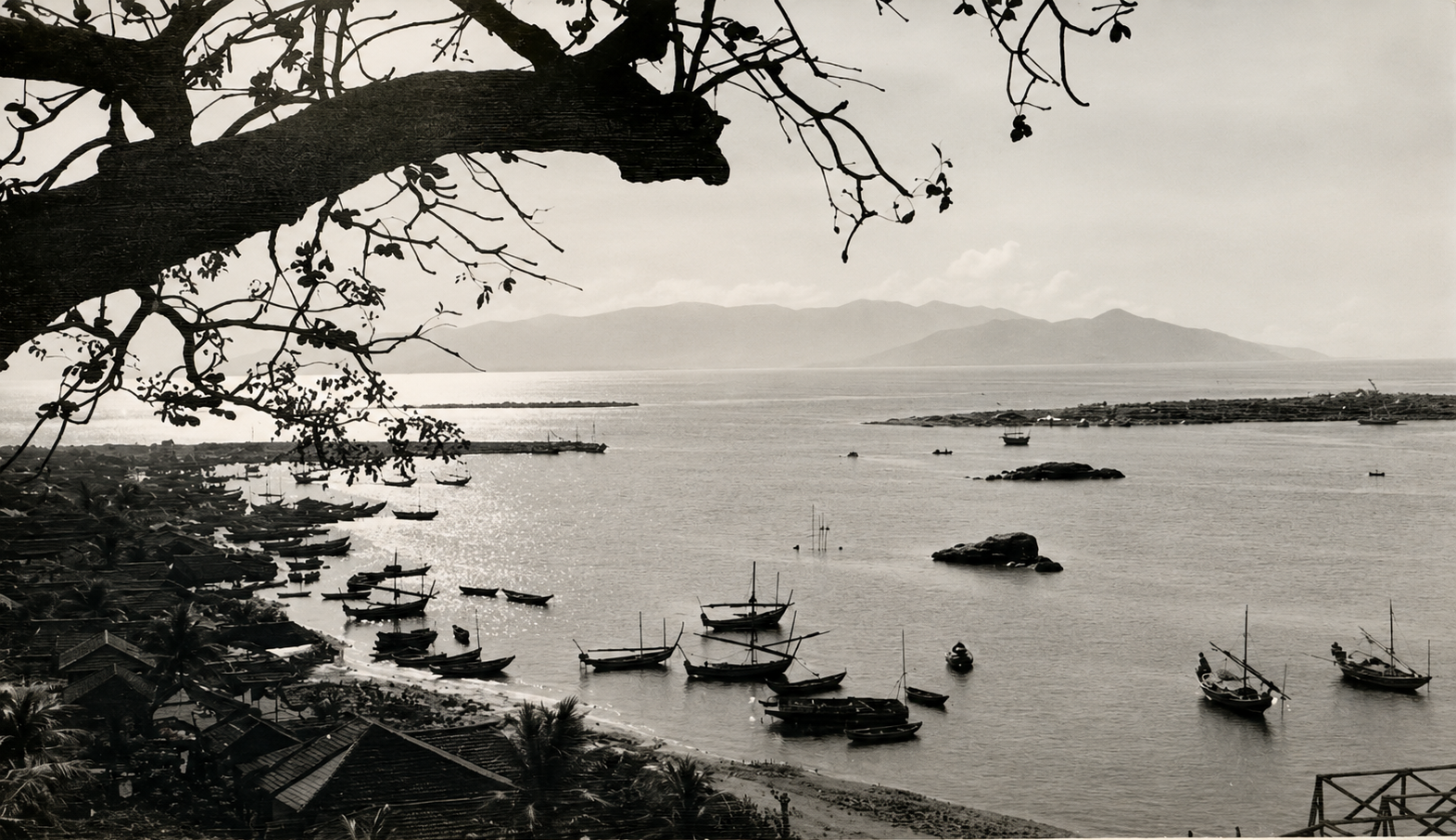
Postcard of the Cai River estuary in the early 20th century
Today, technological advancements and the rise of social media have turned the entire coastal city into a massive, dynamic set with countless "million-view" check-in locations. Contemporary architectural landmarks and scenic spots such as Do Theater, the Chut neighborhood seawall, Vinh Truong bougainvillea street, and the mossy beach near the Cai River estuary have become new favorites on tourist maps.
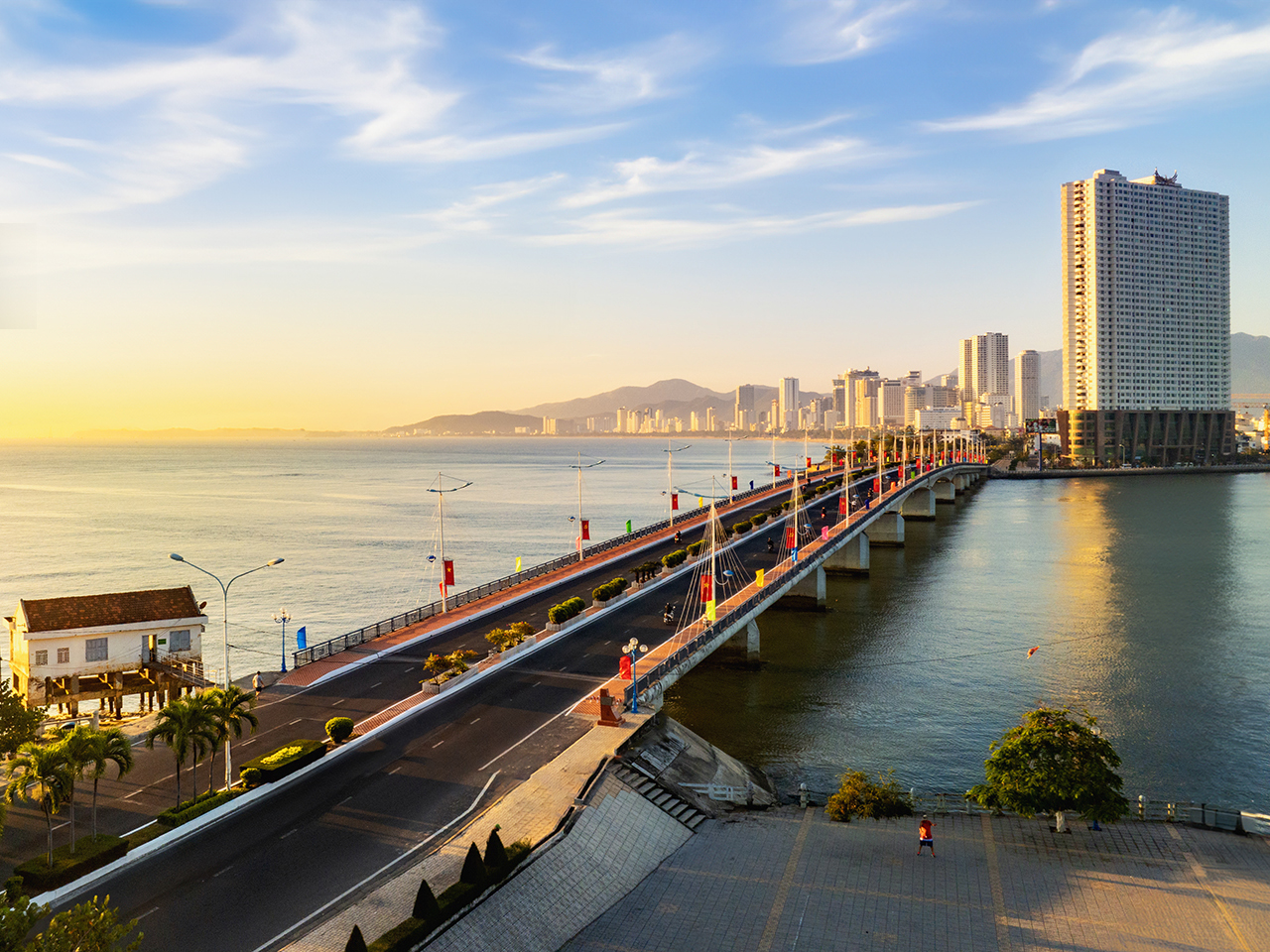
Modern development of Nha Trang city after nearly 50 years of innovation and construction.
As time passes and technology shifts, Nha Trang consistently refreshes its aesthetic appeal. Operating at the center of this dynamic tourism landscape, CRTC functions with optimized processes and modern infrastructure, ensuring that international arrivals experience a smooth transition into a city that continuously redefines its visual identity.