



Cam Ranh International Terminal deploys route incentives and dedicated T2 lanes to revitalize the Chinese market
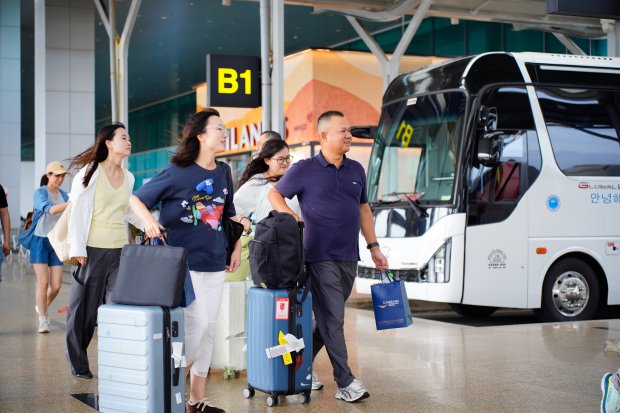
Responding to shifts in passenger volume during the first nine months of 2026, Cam Ranh International Terminal Joint Stock Company (CRTC) is rolling out targeted airline incentives, international route development initiatives, and specialized processing workflows at Terminal T2 to accelerate the recovery of the Chinese market.
Data from Cam Ranh International Terminal Joint Stock Company (CRTC) on October 22 indicates that in the first nine months of 2026, Khanh Hoa welcomed 217,026 Chinese passengers via the international terminal across 1,333 direct flights from China. Both passenger volume and flight movements reached 56% of the figures recorded during the same period in 2025, which saw 386,706 Chinese arrivals and 2,377 flights, reflecting a year-on-year decline of nearly 44%. Currently, direct air connectivity between China and Cam Ranh is maintained at a frequency of three flights per day, operated by three carriers: China Southern Airlines, Sichuan Airlines, and Vietjet Air.
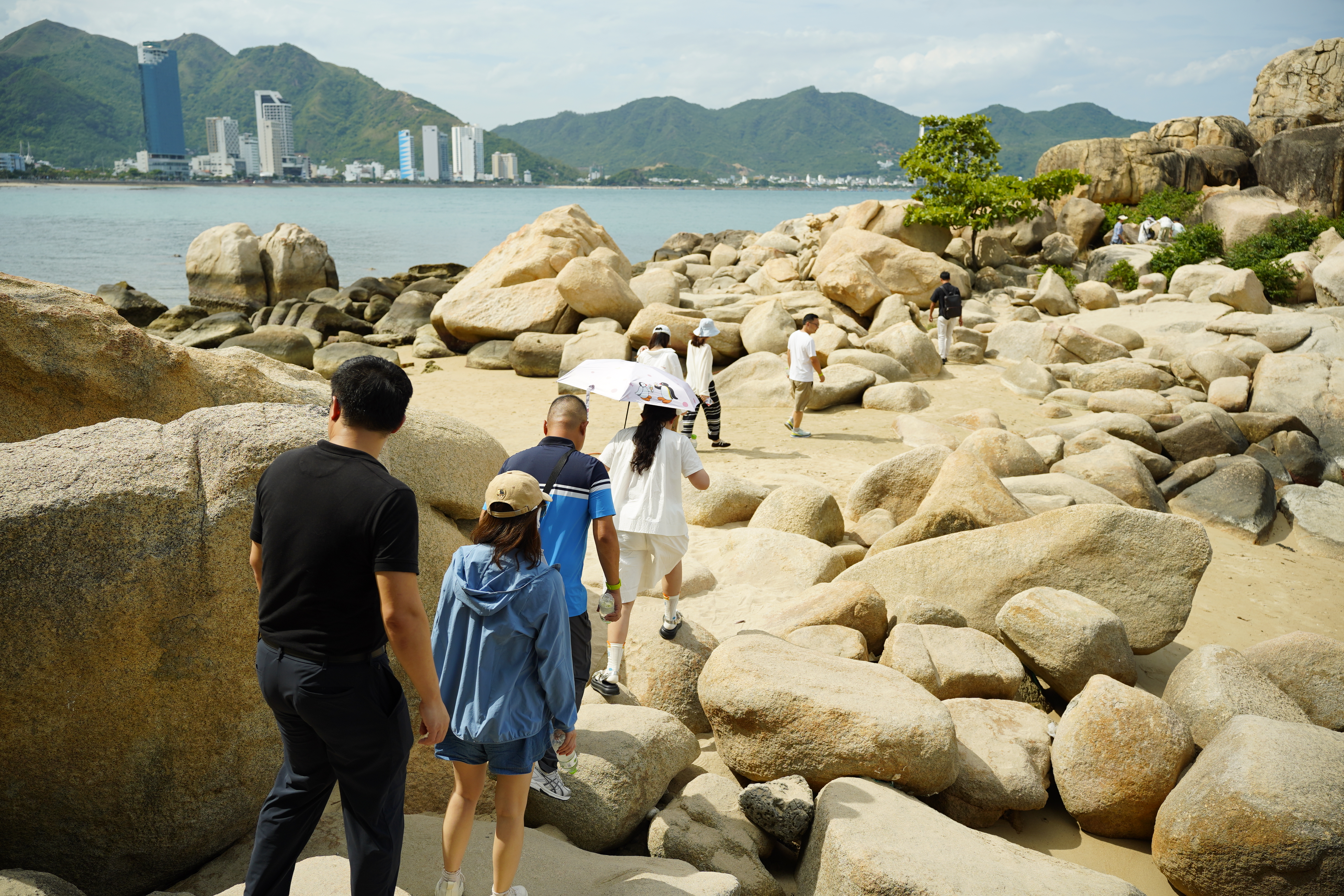
To actively restore momentum in this key source market, CRTC, alongside Cam Ranh International Airport, participated in the Routes Asia 2026 forum in Xi'an, China, to strengthen commercial ties with international aviation partners. Concurrently, the company coordinated with industry stakeholders to organize famtrip delegations for representatives of Chinese airlines and travel agencies to directly survey Khanh Hoa's tourism offerings. Sharing perspectives with the press, Mr. Pham Thanh Son, General Director of CRTC, expressed expectations that the Government's Resolution No. 325—issued on October 12, 2026, to pilot visa exemptions for Chinese tour groups visiting Khanh Hoa—will stimulate market recovery and drive a resurgence in flight frequencies.
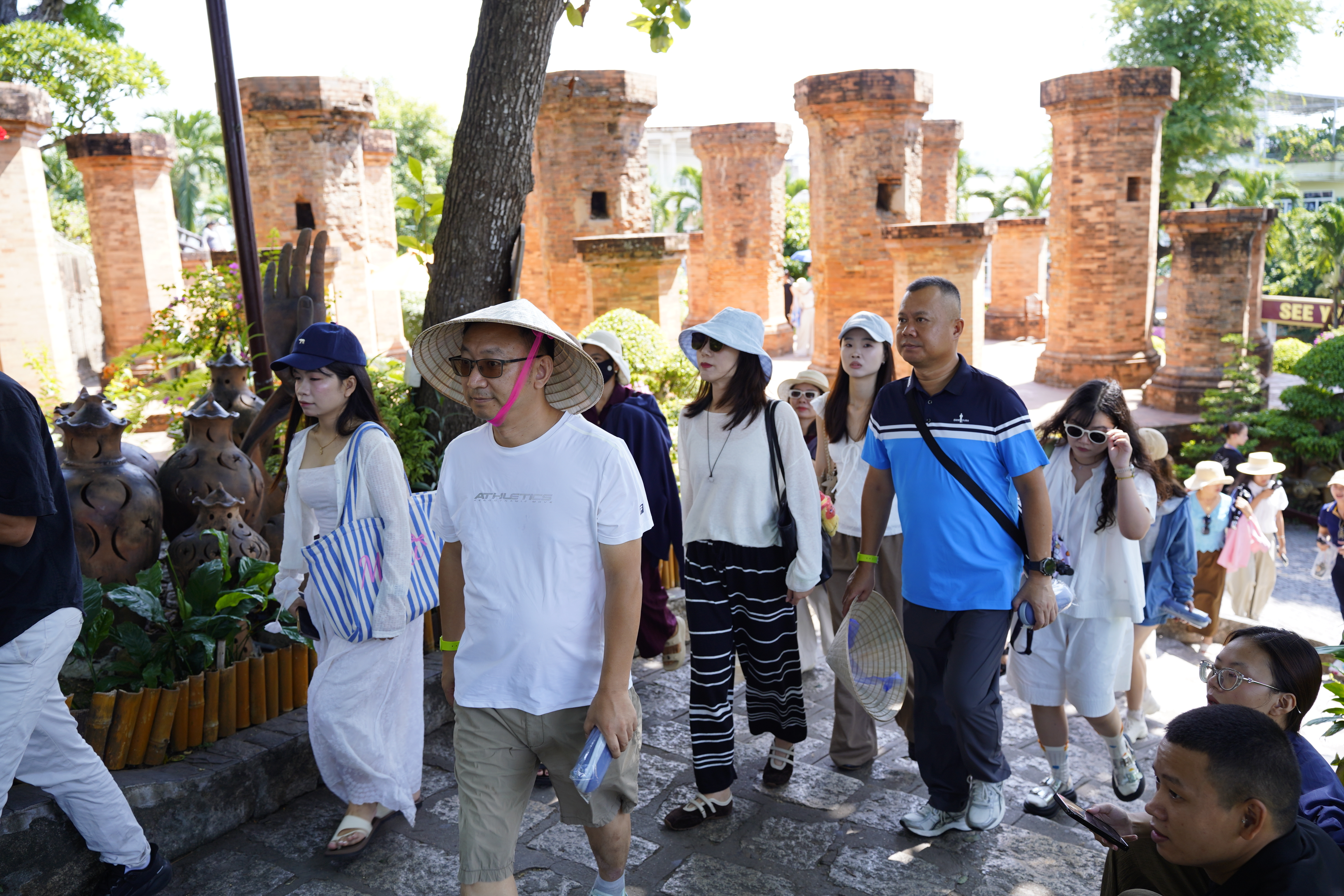
Leveraging this policy framework, CRTC is implementing a specialized route incentive program, placing top priority on attracting direct flights from tier-one Chinese hubs, specifically Beijing and Shanghai. In terms of ground infrastructure, the company is coordinating closely with relevant border and airport units to establish dedicated processing lanes for visa-exempt tour groups right within Terminal T2. Alongside deploying additional Chinese-speaking customer support personnel, CRTC is conducting systematic monthly passenger volume tracking to provide accurate data for the province's assessment of the pilot visa policy.