



Malaysia Airports’ October Traffic Soars to 12.8 Million Passengers
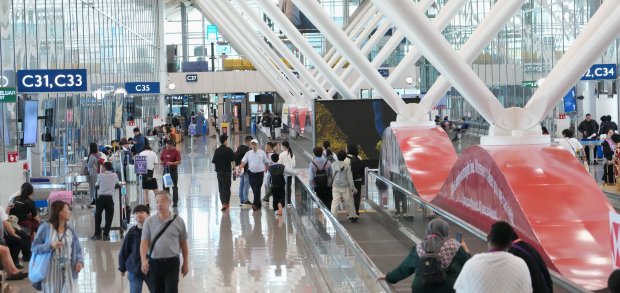
In October, the Malaysia Airports Group registered 12.8 million total passenger movements across its local network and Istanbul Sabiha Gökçen International Airport (ISG). Of this, 69% (8.8 million passengers) were handled by the Group’s airports in Malaysia, comprising 4.6 million international and 4.2 million domestic passengers. ISG accounted for the remaining 4 million. Collectively, these volumes brought year-to-date passenger movements to 125.7 million, an 11.8% increase from 112.5 million during the same period last year.
Managing Director Dato’ Mohd Izani Ghani said, “Recent challenges have made us more deliberate in strengthening proactive risk mitigation across our network. Managing 39 airports nationwide means constant coordination, anticipating issues early, and keeping operations steady the vast majority of the time. With passenger movements gaining healthy momentum, we are sharpening our focus on vigilance, readiness and flexibility. As we approach the year-end peak and prepare for Visit Malaysia 2026, our priority is clear - ensure our capacity, service levels, and facilities remain consistently reliable for all passengers.”
As the country’s main gateway, KL International Airport (KLIA) recorded 5.4 million passenger movements in October, up from 5.3 million the previous month. To keep pace with this growing traffic, KLIA has rolled-out a series of passenger-experience initiatives across both terminals, such as improving kerbside flow, enhancing wayfinding and refreshing key passenger touchpoints. These efforts include the implementation of Vehicle Access Management System (VAMS) at the kerbside and refurbishment of boarding lounges at Terminal 2 into open concept spaces. All these initiatives are part of a broader programme to deliver a more seamless experience as traffic continues to rise.
International connectivity was further strengthened in October 2025 with Scoot Airlines launching two weekly flights between Singapore and Kota Bharu, improving regional access and supporting tourism development on the East Coast.
As the final quarter progresses, Malaysia Airports is working closely with airlines partners, and relevant stakeholders across its network to support schedule resilience, resource planning and peak-season coordination. This includes aligning terminal operations, strengthening on-ground support and ensuring that all stakeholders are ready for heightened traffic levels leading into VM2026.